Opening March 7
Lecture @ 2pm
Exhibition Openings: 5-7pm
Location: Lecture @ UCLA Broad Art Center, room 5240, Exhibition @ CNSI Gallery
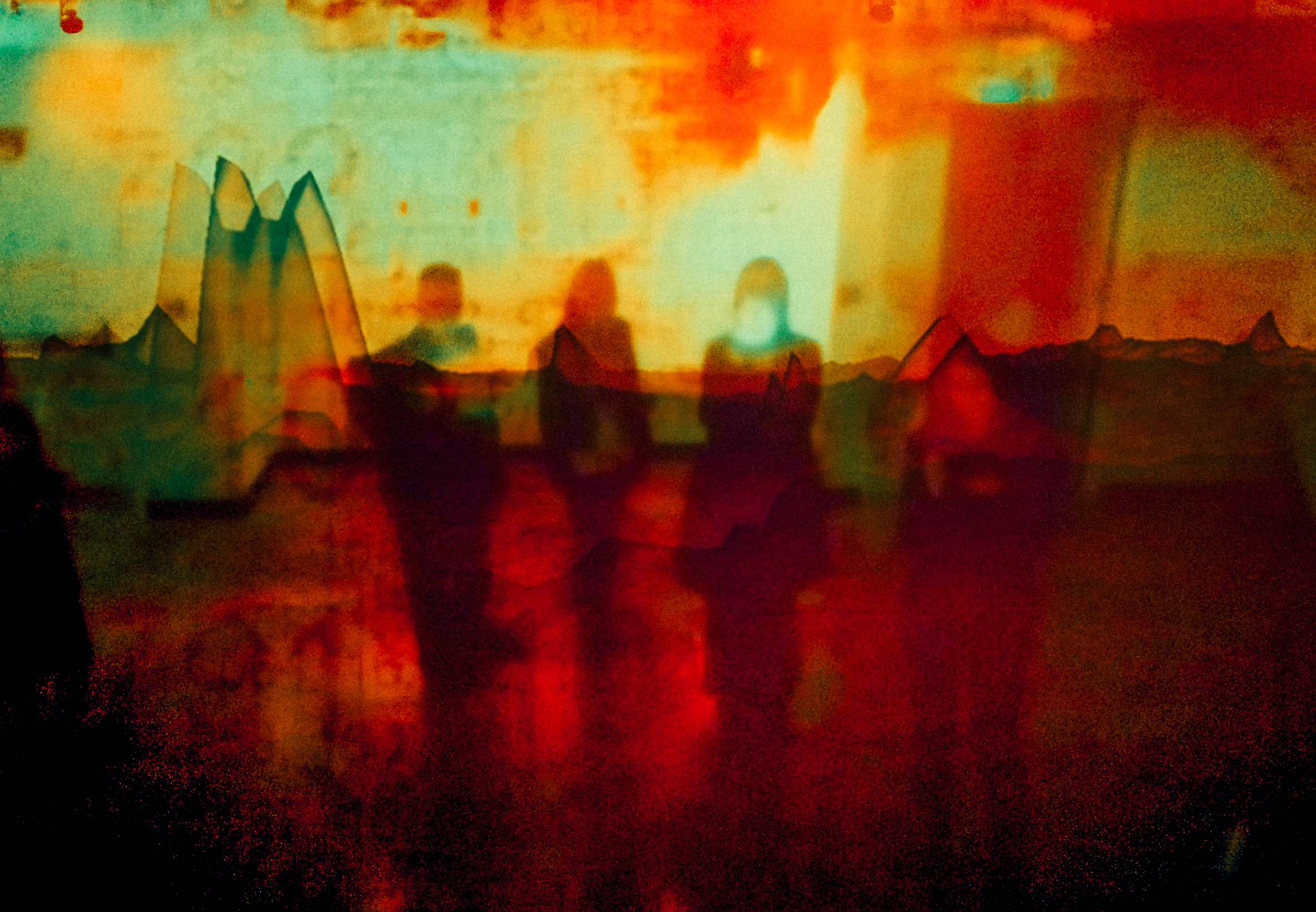
Exposure is an exhibition of work by Mike Phillips, Professor of Interdisciplinary Arts, School of Art & Media at Plymouth University. Mike Phillips is director of i-DAT, a Principal Supervisor for the Planetary Collegium and a supervisor of the Transtechnology Research Groups. His R&D orbits digital architectures and transmedia publishing, and is manifest in a series of ‘Operating Systems’ to dynamically manifest ‘data’ as experience in order to enhance perspectives on a complex world. The year that Eastman Kodak filed for bankruptcy protection was the same year Fujifilm moved from film production to beauty products1. This did not just mark a technological shift from film grain to nanoparticles but also a massive cultural shift - a shift from capturing the face on film to the embedding of ‘film’ in the face. The thing that once froze the face in an eternal youthful smile is now the anti-aging nanoparticle that preserves the face we wear. Barthes described the face on film as representing “a kind of absolute state of the flesh, which could be neither reached nor renounced”2. Now this absolute state is closer to hand and we will walk around wearing our old photo albums as our face, peeling away the frames like layers of dead skin. Our essence, like Garbo’s, will not degrade or deteriorate. ‘Viewed as a transition’ Exposure explores the deterioration of the flesh through the temporality of the Atomic Force Microscope (AFM). From the 60th of a second exposure of the Kodak Brownie camera to the 20-minute scan of the AFM - the closer the subject the longer the ‘exposure’. Incorporating data from an AFM scan of a basal cell carcinoma Exposure explores the convergence of ideologies constructed around imaging technologies. Through a subtle interaction the viewer conjures up a dynamic data/image of a skin cancer - over exposed to the sun - or the intense light of the camera flashgun.
Bio artists tamper with elemental units of living matter and are a
source of many controversial debates. The talk will attempt to ground
arguments of sceptics and supporters by positioning these considerations
within the context of fundamental life processes that are essential for
maintaining life on Earth and supportive of environmental reform.
Time: 2pm Location: Lecture @ UCLA Broad Art Center, room 5240
“The Wandering Gene and the Indian Princess: Race, Religion, and DNA”
Thursday, February 16th
3:30 – 5:00 pm
IPAM Lecture Hall, Portola Plaza Building
Book Summary
The wandering gene is a breast cancer mutation, BRCA1.185delAG, which is characteristic of Jews. The book is a historical and scientific investigation that ranges from ancient Palestine and the Spanish Inquisition to the modern DNA lab and the Kingdom Hall of the Jehovah's Witnesses. At the heart of the narrative is a young Hispano woman who struggles with breast cancer until her proud and untimely death.
Copies of Jeff Wheelwright’s book will be available for purchase and the author will be present for signing
Join us at the California NanoSystems Institute (CNSI) at UCLA on Tuesday, January 17that 12:00 PM for a seminar by Bryan Krantz, professor of molecular & cell biology at UC Berkeley.
Also on Tuesday, January 17th at 4:00 PM, please join us for the Leica Scientific Forum Los Angeles Advances in Life Sciences. Xiaowei Zhuang will present a talk on “Bioimaging on the Nanoscale: Single-molecule and Super-resolution Fluorescence Microscopy.”
Speaker: Bryan Krantz, Professor of Molecular & Cell Biology; Professor of Chemistry at UC Berkeley
Title: "Insights on the Molecular Mechanism of Transmembrane Protein Transport using Anthrax Toxin as a Model System"
Abstract:We provide new structural evidence that polypeptide binding sites, which recognize unique chemistries in the substrate, can gate and ungate in a coordinated manner. Functional studies show certain ungated intermediates allow for translocation to proceed in a remarkably unidirectional manner. These features harken the ratchet-like sites envisioned to play a key role in polymer translocation both across membranes and within soluble compartments in the cell. More…
Title: Bioimaging on the Nanoscale: Single-molecule and Super-resolution Fluorescence Microscopy
Abstract: Stochastic optical reconstruction microscopy (STORM) is a new form of super-resolution fluorescence microscopy, which surpasses the diffraction limit by using single-molecule imaging and photoswitchable probes to temporally separate the spatially overlapping images of individual molecules. This approach allows multicolor, 3D imaging of living cells with nanometer-scale resolution. In her talk, Xiaowei Zhuang will discuss the general concept, recent technological advances and biological applications of STORM.
Schedule: 4:00 Welcome and introduction by Chairman Prof. Shimon Weiss, followed by Xiaowei Zhuang's lecture.
5:15 Discussion & post lecture reception
Scientific Advisory Board: Prof. Roger Tsien (UCSD), Prof. Mark Ellisman (UCSD), Prof. Shimon Weiss (UCLA), Prof. Katsushi Arisaka (UCLA), Prof. Arnold Kriegstein (UCSF), Prof. Michael Stryker (UCSF), Dr. Thomas Zapf (Leica Microsystems)
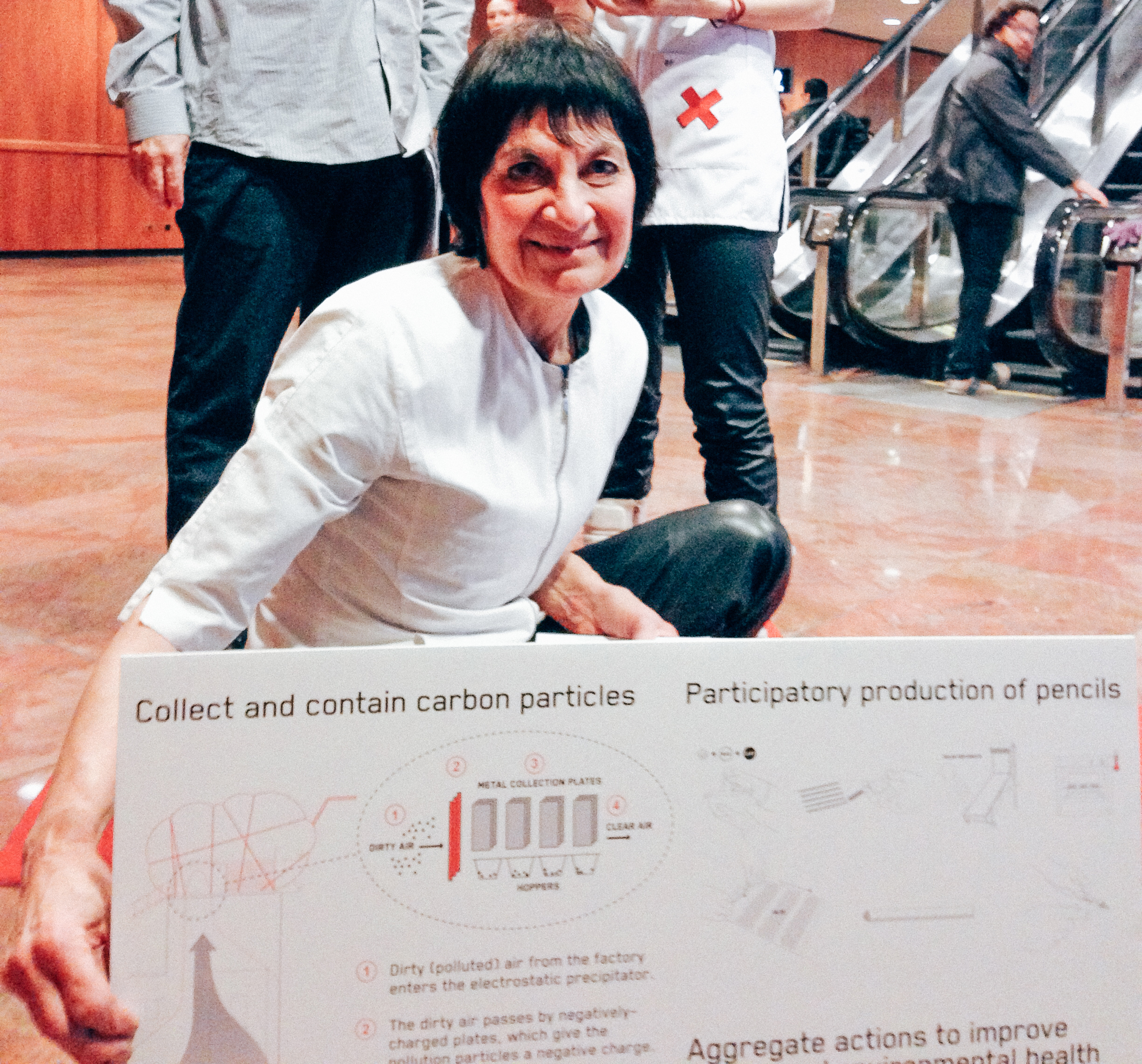
Fall / Winter 2011-12 Art|Sci Artist in Residence Colleen Macklin focuses on developing new games, simulations, and play experiences which encourage experimental learning and investigation into social and global issues. She has led social media projects with the UN and Open Society Institute and was exploring scientific concepts for game design during her residency at UCLA..
+
Parsons Design + Technology MFA student work from Victoria Vesna's NanoBioArt class, featuring the work of Jeremy Peterson, winner of best final project.
Time:
Lecture @ 2pm
Exhibition Openings: 5-7pm
Location: Lecture @ UCLA Broad Art Center, room 5240,
Mixer @ CNSI
Nanoscientist Odo is Art | Sci DJ+ Molecular refreshments provided
Lecture @ 2pm
Exhibition Openings: 5-7pm
Location: Lecture @ UCLA Broad Art Center, room 5240, Exhibition @ CNSI Gallery
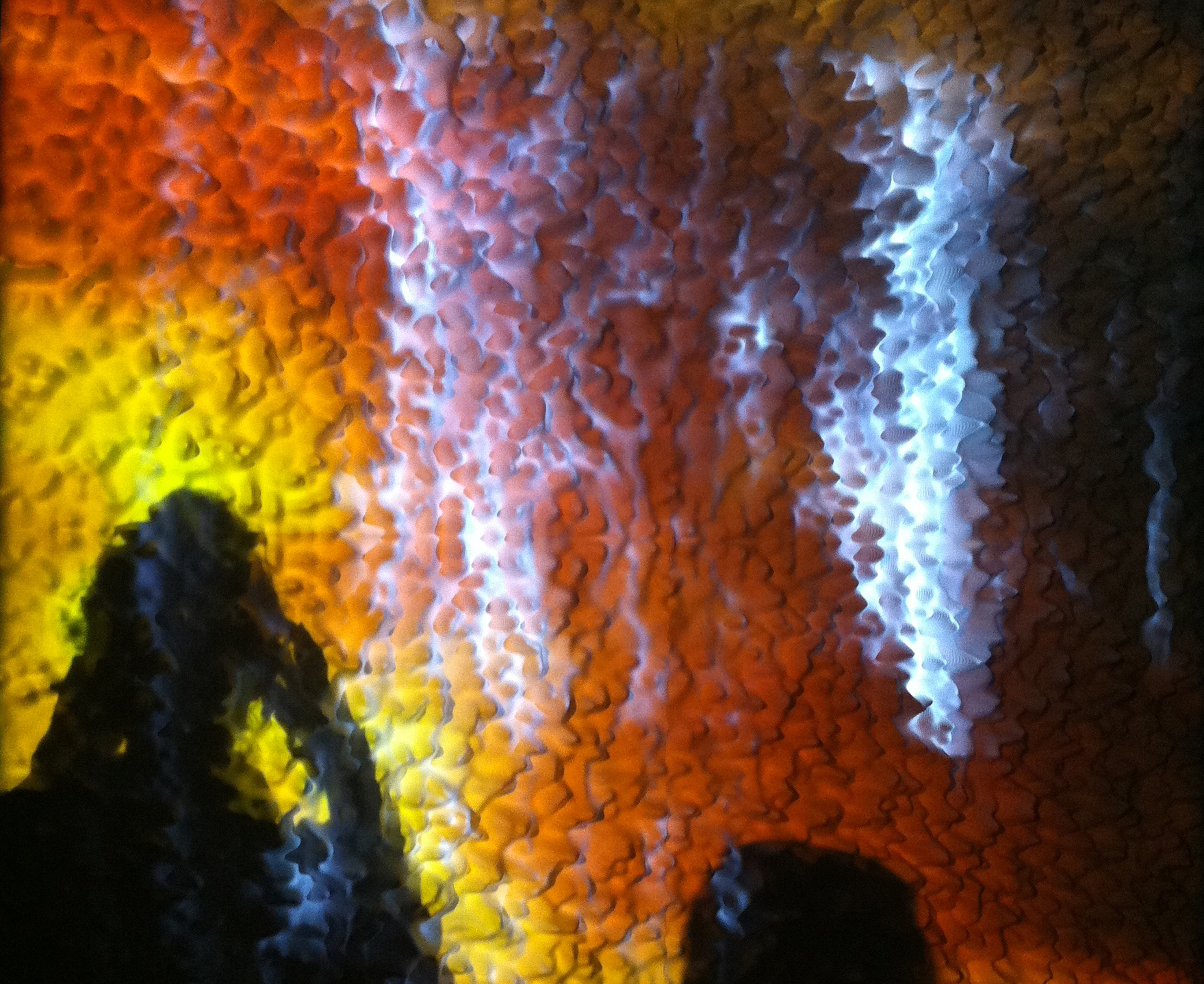
Dark Skies is a work by Patricia Olynyk in Collaboration with Axi:Ome and Christopher Ottinger.
Dark Skies is a multi channel projection on CNC routed tiles inspired by the concept of biomimicry. The surfaces of the tiles themselves are based loosely on the shape and topography a wildmouse tastebud. The installation also includes an evocative soundscape, drawn primarily from field recordings captured at twilight in the Rocky Mountains during high summer. "Dark Skies" is an astronomical reference, referring to remote places free of hazy city light that allow for an extended view into deep space and time. This insight offers not only a unique perceptual and psychological experience but the promise of new discovery.
Patricia Olynyk is an artist whose prints and installations frequently employ microscopy and biomedical imaging technologies to explore the intersections between art and the life sciences. Currently she is Chair of the Leonardo Education and Art Forum (LEAF). Exhibition opening to follow the lecture.
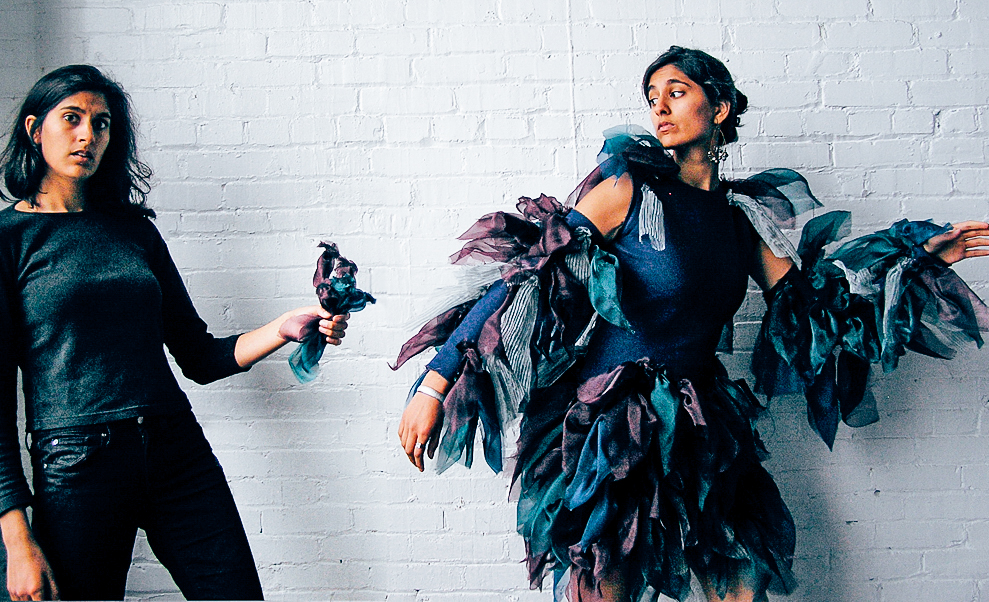
Amisha Gadani is a Los Angeles artist interested in curious creatures and their unique adaptations. She is an artist in resident at the Alfaro Lab and the Center for Society and Genetics at UCLA.
Time:
Lecture @ 2pm
Location: UCLA Broad Art Center, room 5240
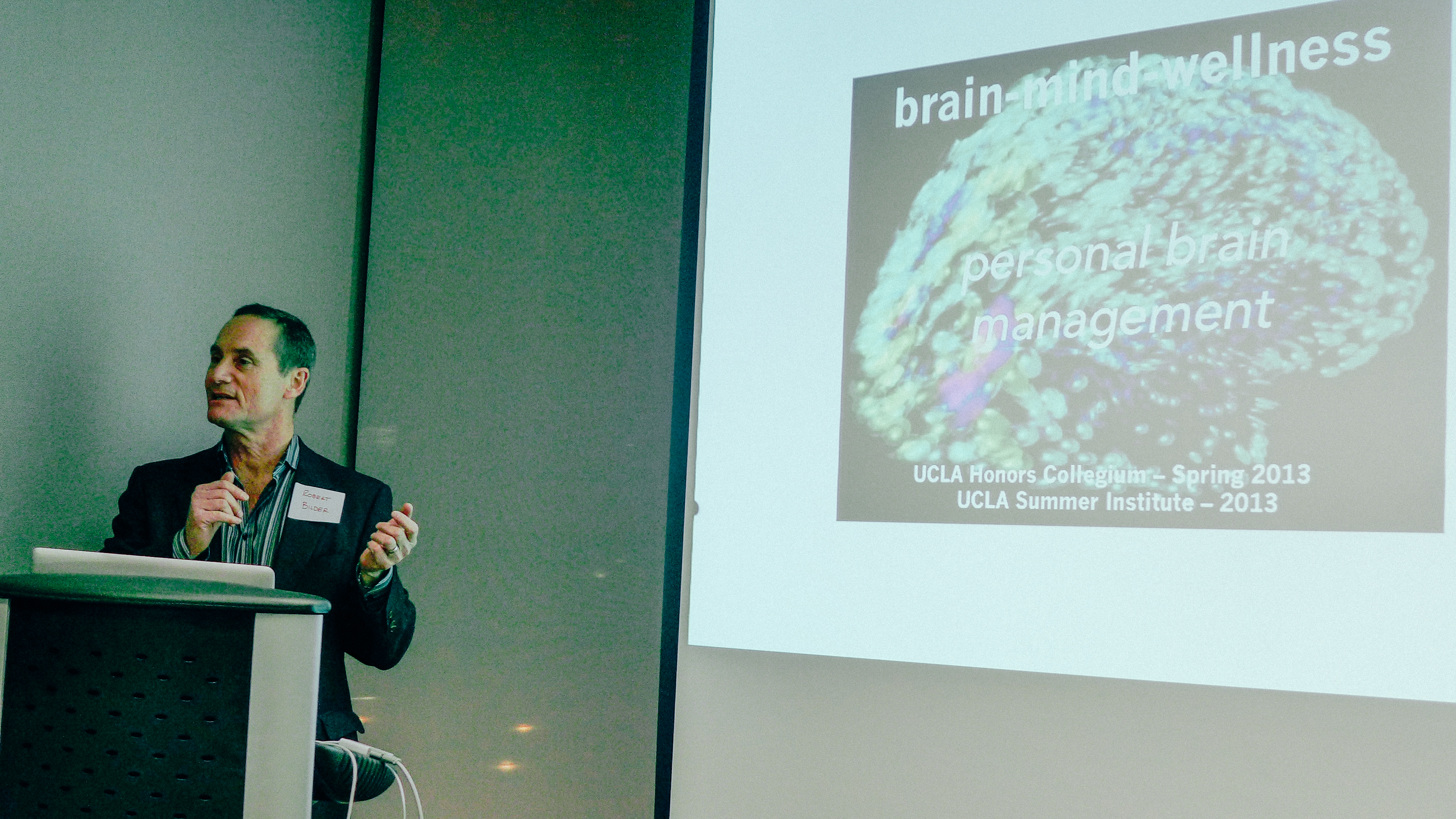
Robert Bilder Lecture (hosted by Prof. Barbara Drucker, Dept. of Art)
Dr. Bilder is a Clinical Neuropsychologist who has been actively engaged for over 20 years in research on the neuroanatomic and neuropsychological bases of major mental illnesses. Dr. Bilder’s current research focuses on transdisciplinary and translational research. Among other prominent positions, he directs the Tennenbaum Center for the Biology of Creativity.
Takashi Ikegami is an associate professor in the Department of General Systems Sciences at the University of Tokyo. His works encompasses both the arts and sciences and deal with complex systems and artificial life. He comes to UCLA to start work on a NSF grant with Professor Charles Taylor and Victoria Vesna. Together they are developing the “Acoustic Sensor Arrays for Understanding Bird Communication”
Mizuki Oka
Exploring Default Mode and Information Flow on the Web
Using the unique ideas of the recent discovery in brain science of the
default mode, Oka studies the autonomy and information flow in a Web
system. In this talk, Oka discusses her study on the weak fluctuation
not driven by social context as a default mode of the Web derived from
brain science.
Time:
Lecture @ 2pm
Location: UCLA Broad Art Center, room 5240
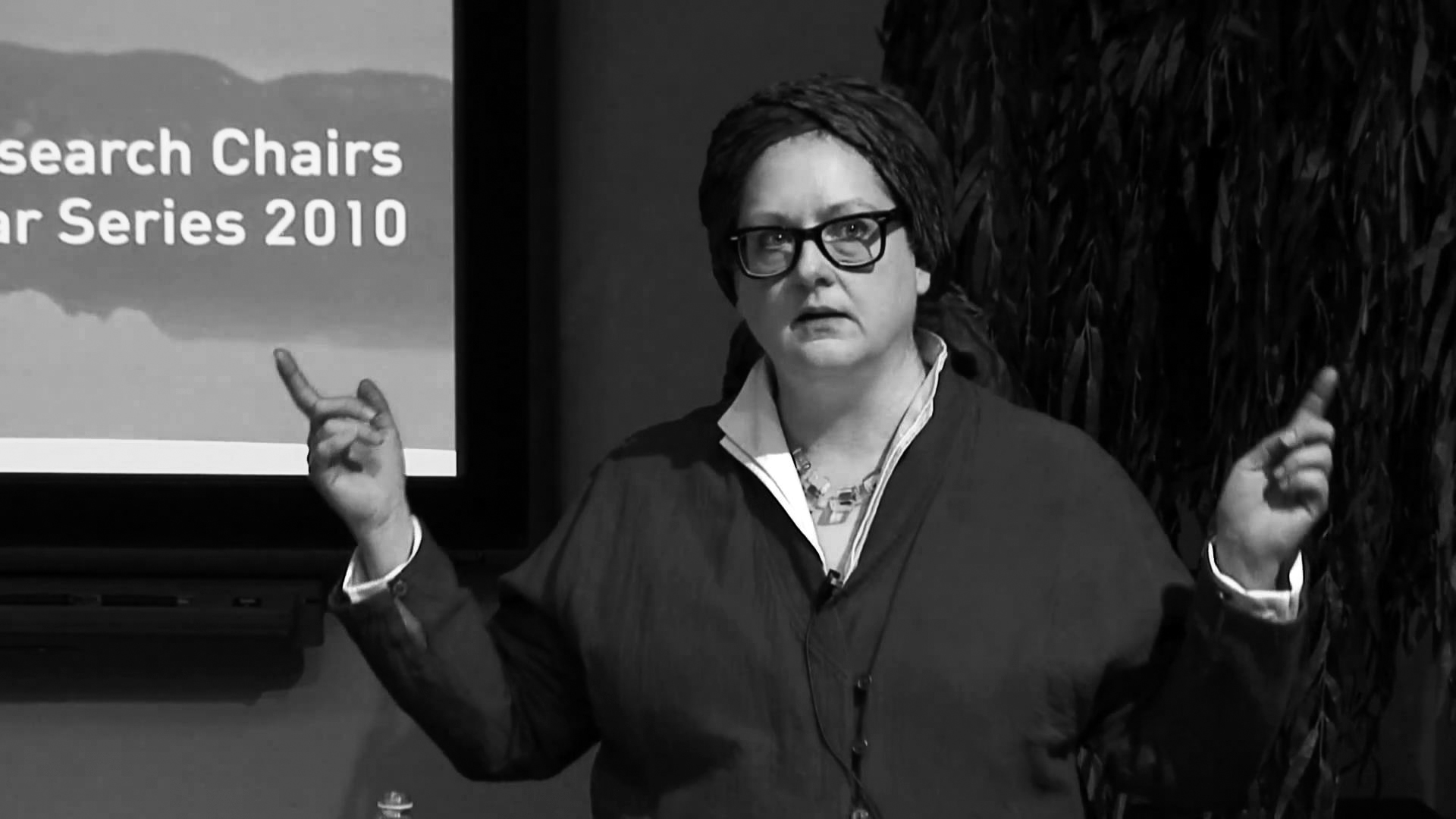
Spring 2011 Art|Sci Artist in Residence Dr. Diane Gromala spent her time at UCLA researching the expression of pain at UCLA’s John C. Liebeskind History of Pain Collection in the Louise M. Darling Biomedical Library.As the Founding Director of the Transforming Pain Research Group, Gromala collaborates with prominent pain physicians, a neuroscientist, a psychophysicist, artists and animators, computer scientists and engineers and interaction and sound designers.